Virtual Nature Field Trips
Last updated on
Friday, August 14th, 2026Experience type:
Virtual Field TripProgram Description
Monday to Friday from 1 pm to 2 pm. 10 am to 11 am timeslots are available December to February.
What Bug Is That?
Kindergarten to Grade 7
Get excited about the tiny creatures that live in Lynn Canyon Park. This online program features a short introduction to invertebrate biology and a live video session with some local animals such as slugs, worms, and woodbugs. We’ll also take a close-up look at a few of our tiny friends under a powerful magnifier.
No Bones About It
Kindergarten to Grade 7
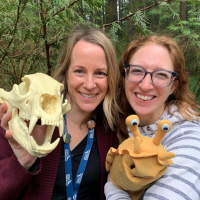
Discover the differences between vertebrates and invertebrates. In this workshop, you’ll take a close-up look at invertebrates and then look at the interesting features of vertebrate skulls, bones, teeth, and claws. You’ll also learn about the adaptations that help temperate rainforest animals thrive in this cool, wet environment.
Once Upon A Tree
Kindergarten to Grade 7
What is a tree, and how does it work? Your students will learn how trees make their own food and how they are part of the soil, air, and water cycles of the temperate rainforest. They will also discover how a diversity of trees and other plants creates habitat for local wildlife.
Take Flight
Grade 4 to Grade 12
Hop, dive, and flutter your way to this on-line workshop about birds! In this program, you’ll learn about the evolution and adaptations of birds. We’ll discover the feeding and nesting habits of local birds and the remarkable ways that different birds find niches in the temperate rainforest ecosystem.
The World Under Your Feet
Grade 4 to Grade 12
Soil is much more than rocks and old leaves – it’s a vibrant ecosystem. Since people walk on top of the soil, we often don’t consider what’s underneath. Your students will explore how soil is made, the layers of the soil, and the animals, plants, and fungi that both rely on and help create a healthy ecosystem.
BC Biodiversity
Grade 4 to Grade 12
What is biodiversity, and why is it important? In this on-line field trip, your students will learn about genetic, species, and habitat diversity. We will explore British Columbia’s diverse ecosystems from deserts to rainforests and learn how local plants and animals are well-adapted to our temperate rainforest ecosystem.
Big Ideas
Additional Notes
Booking:
After reading through our website, fill out the online booking form. We have open, ongoing booking for our school programs. Please note our fees do change slightly from year to year.
Our staff will confirm your booking if space is available, or contact you for more information if needed. We aim to respond in 5 business days.